Africa's Trusted Outfitter Since 1999
Our Hunting Concessions
South Africa, Namibia, Botswana, Zambia
Online Support
info@kaiwhaisafaris.com
Free Call
(469)698-3030
Our Hunting Concessions
Online Support
Free Call
Many people are surprised to learn that ethical and regulated hunting is one of the strongest driving forces behind wildlife conservation in Africa. At Kaiwhai Safaris, we believe in responsible, sustainable hunting that protects ecosystems, supports communities, and ensures thriving wildlife populations for generations to come.
Modern conservation is not just about protecting animals—it is about managing land, people, and wildlife in a balanced and sustainable way. Ethical hunting plays a critical role in this system.
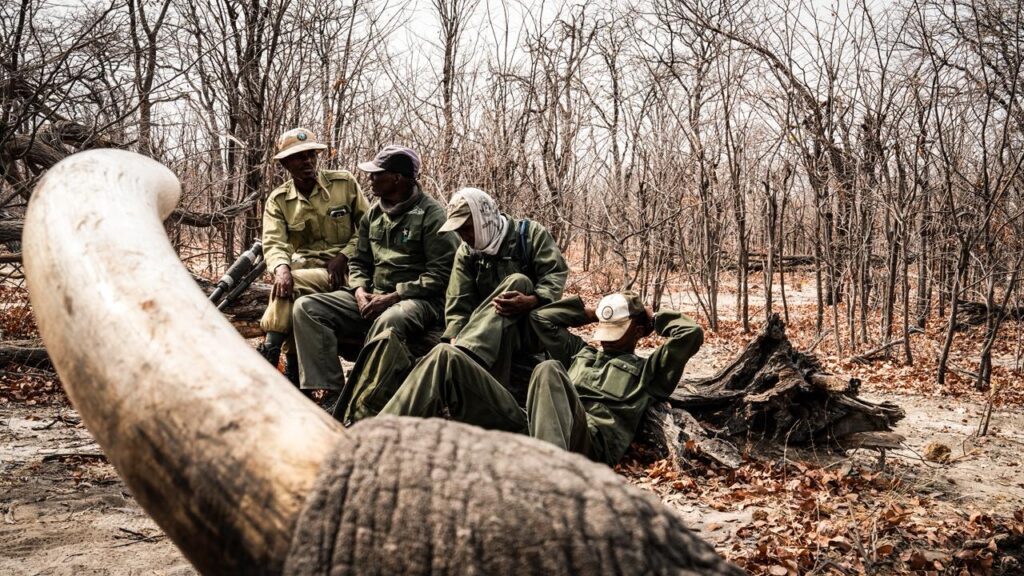
Across Africa, regulated hunting is one of the largest financial contributors to wildlife conservation.
Hunting revenue directly supports:
Anti-poaching units
Wildlife scouts and game rangers
Habitat restoration
Scientific wildlife monitoring
Fencing, water supply, and land management
Community development programs
Without these funds, many wildlife reserves would not have the resources needed to protect their game or maintain wild habitats.
In rural Africa, wildlife competes with agriculture and livestock. Animals that damage crops or endanger livestock often fall victim to conflict. Ethical hunting changes this dynamic by giving wild animals financial and social value.
When communities benefit from wildlife through employment and income, they become the strongest protectors of that wildlife.
This creates a powerful cycle:
Wildlife → Generates Income → Communities Protect Wildlife → Wildlife Thrives
Poachers target wildlife because they see it as free and unprotected. In contrast, hunting areas employ scouts, game guards, trackers, and professional hunters who patrol and manage the land daily.
A well-managed hunting concession:
Discourages poachers
Monitors wildlife populations
Removes illegal snares
Responds to human–wildlife conflict
Ensures the land stays wild instead of becoming farmland
These areas become safe havens where animals can thrive.
Ethical hunting follows strict regulations:
Only older, non-breeding males are targeted
No hunting of females with dependent young
Species quotas are scientifically determined
All hunts are monitored and recorded
This ensures that hunting never harms the health of the population, and in many cases, actually improves genetic strength and herd stability.
Selective, fair-chase hunting is designed to mirror natural predation, removing the animals nature would eventually remove anyway.
One of the greatest threats to African wildlife today is habitat loss.
Hunting concessions protect millions of acres of land that would otherwise be converted to:
Farmland
Cattle grazing
Human settlements
Because hunting requires large, wild, healthy ecosystems, it helps preserve landscapes exactly as they are—wild and untamed.
Hunting creates jobs in some of the most remote parts of Africa and supply a lot of locals with much needed food and protein.
Safaris support:
Professional hunters
Trackers
Skinners
Drivers
Lodge staff
Game rangers
Local suppliers and craftsmen
Meat from animals is also donated to nearby villages, providing a vital food source. When communities benefit from wildlife, they become its protectors—not its enemies.
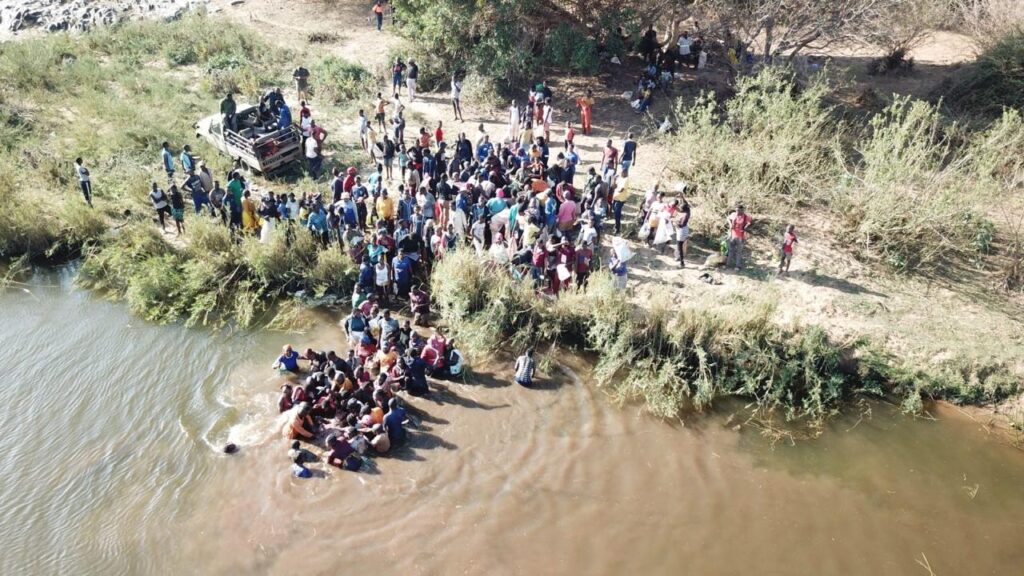
At Kaiwhai Safaris, we believe in fair-chase, ethical, and sustainable hunting. Our practices ensure that:
Wildlife populations increase
Communities benefit
Land stays wild
Conservation remains financially supported
Hunting is not the enemy of conservation—it is one of its strongest tools. When done responsibly, hunting protects wildlife, preserves habitat, strengthens communities, and keeps Africa wild.